Dr. Maryssa Steffen, PT, DPT
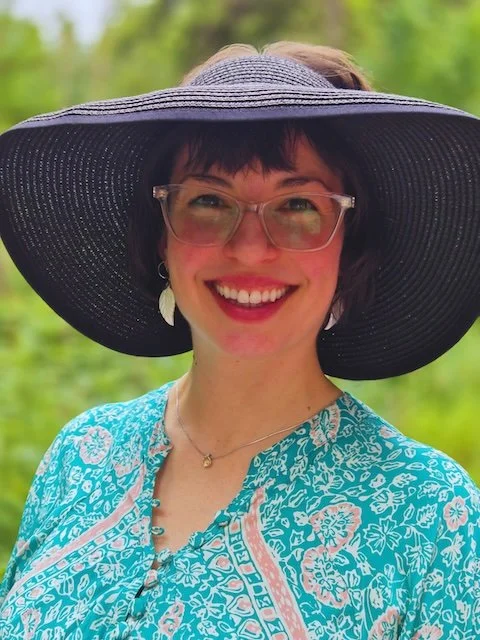
Dr. Maryssa (she/her) is an American Board of Physical Therapy Specialties certified Pelvic/Women’s Health Clinical Specialist. She is Bay Area born and brings over 30 years of continuous experience in somatic movement and dance practices, including Body-Mind Centering®, dance therapy, and traditional and contemporary European-American, West African and Congolese dance and song.
She earned her B.A. in Dance and Performance Studies from UC Berkeley and her Doctorate in Physical Therapy from California State University, Northridge (2018). Dr. Maryssa works with adult populations of all self-identified genders, with a focus on prenatal, postpartum, breast cancer PT, perimenopause, gender affirming care, and persistent and complex pelvic somatic dysfunction and trauma-sensitive support.
Her professional grounding includes active membership in the American Physical Therapy Association’s Academy of Pelvic Health, the California Physical Therapy Association, the International Pelvic Pain Society, the National Vulvodynia Association, and the Body-Mind Centering® Association. She has successfully completed three years of Dynamic Neuromuscular Stabilization (DNS)® coursework and examinations through the Prague School of Rehabilitation and Manual Medicine, co-taught by Dr. Clare Frank of Movement Links, including advanced Pelvic Floor Skills training and Pelvic Health 1 with Martina Jezkova, MPT. She worked as a Herman and Wallace teaching assistant with Dr. Ramona Horton, PT, DPT, for the Mobilization for the Visceral Fascia, Urinary System and Gastrointestinal System courses, and she successfully completed the Visceral Fascia Mobilization of the Reproductive System and Mobilization of the Myofascial Layer courses.
She is a Somatic Movement Educator (SME) through the School for Body-Mind Centering® taught by Mary Lou Seereiter at Moving Within, OR. This 500+ hour certification is approved by the International Somatic Movement Education and Therapy Association (ISMETA).
Dr. Maryssa’s practice is informed by her evolving integration of Emotional Decolonization (Dr. Jennifer Mullan) and her commitment to community bonding, accountability, and anti-racist practice. We are not responsible for how dominant systems have shaped our minds—but we can learn to take collective responsibility for the systems we create moving forward.